Oral Health Tips • 8 min read
7 Daily Oral Hygiene Habits for a Lifetime of Healthy Smiles
Practical oral hygiene tips backed by research to protect your teeth and gums every single day
Did you know that nearly half of all adults over the age of 30 — 47.2% to be exact — have some form of gum disease, according to the Centers for Disease Control and Prevention? Even more alarming, the World Health Organization reports that oral diseases affect approximately 3.5 billion people worldwide, making them among the most common chronic conditions globally. Yet most of these conditions are largely preventable through consistent, daily oral hygiene habits. In this comprehensive guide, we share seven essential oral hygiene tips and healthy teeth habits that can safeguard your smile for a lifetime. Whether you are a parent looking to instill good routines in your children or an adult wanting to elevate your dental care game, these evidence-based strategies will help you build the foundation for exceptional oral health.
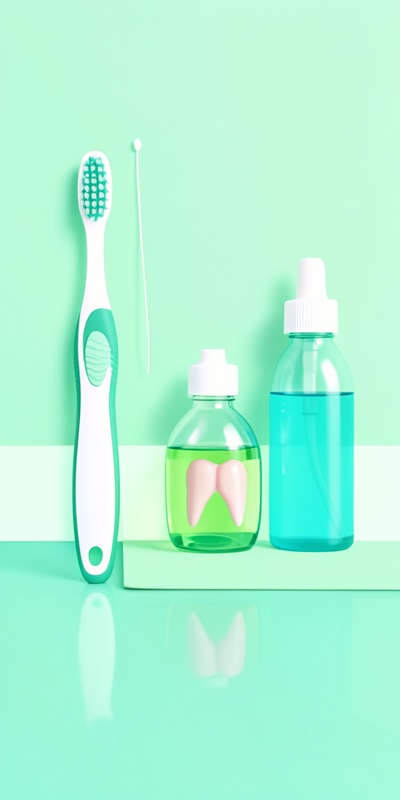
Brush Properly Twice a Day — Technique Matters
Brushing your teeth is the cornerstone of any oral care routine, but the American Dental Association emphasizes that how you brush is just as important as how often you brush. While over 80% of people brush their teeth twice daily, many do so incorrectly, missing critical surfaces or applying too much pressure. The proper brushing technique involves holding your toothbrush at a 45-degree angle to your gums, using gentle circular motions rather than aggressive back-and-forth scrubbing. Spend at least two minutes per session — the CDC and Mayo Clinic both recommend this duration — dividing your mouth into four quadrants and dedicating approximately 30 seconds to each. Use a soft-bristled toothbrush to avoid enamel erosion and gum recession, and always brush the inner surfaces, outer surfaces, and chewing surfaces of every tooth.
One of the most overlooked aspects of brushing is timing. Many people brush immediately after eating acidic foods, which can actually damage softened enamel. Dental professionals recommend waiting at least 30 minutes after consuming citrus, soda, or other acidic items before brushing. Replace your toothbrush every three to four months, or sooner if the bristles become frayed — a worn toothbrush cannot clean effectively.
Floss Daily — Reach Where Your Brush Cannot
If there is one oral hygiene tip that most people neglect, it is flossing. According to a comprehensive survey by Alpine White, while over 80% of people brush their teeth twice daily, only 7% floss every day. This is a staggering gap in preventive care, because brushing alone cleans only about 60% of your tooth surfaces. The remaining 40% — the tight spaces between teeth and below the gumline — can only be reached by floss or interdental cleaners. The American Academy of Periodontology warns that neglecting these areas allows plaque to harden into tartar, which can only be removed by a dental professional and which serves as a breeding ground for the bacteria that cause periodontal disease.
To floss correctly, use about 18 inches of floss and wind most of it around your middle fingers, leaving about 1-2 inches to work with. Gently guide the floss between your teeth using a rubbing motion — never snap it forcefully into the gums. Curve the floss into a C-shape against each tooth and slide it gently under the gumline. If traditional floss is difficult to manage, consider alternatives like water flossers, floss picks, or interdental brushes, all of which the Mayo Clinic recognizes as effective alternatives.
Oral Hygiene Compliance Rates Among Adults
Data sourced from global dental hygiene surveys (2024)
Use Fluoride Toothpaste and Therapeutic Mouthwash
Fluoride is one of the most thoroughly researched and effective agents in preventive dentistry. According to the CDC, community water fluoridation reduces tooth decay by approximately 25% in children and adults. Using a fluoride toothpaste strengthens your tooth enamel through a process called remineralization — it helps repair microscopic damage before cavities can form. When selecting toothpaste, look for the ADA Seal of Acceptance, which ensures the product has been tested for safety and effectiveness. Most dental professionals recommend toothpaste containing 1,350 to 1,500 ppm (parts per million) of fluoride for adults.
Complement your brushing and flossing with a therapeutic mouthwash — not just a cosmetic one that merely freshens breath. Therapeutic rinses containing chlorhexidine, cetylpyridinium chloride, or essential oils have been clinically shown to reduce plaque buildup and gingivitis. Use mouthwash after brushing and flossing, swishing for 30 seconds to one minute, and avoid eating or drinking for at least 30 minutes afterward to allow the active ingredients to work effectively.
Clean Your Tongue Every Day
Your tongue is a thriving microenvironment for bacteria. Studies have shown that the surface of the tongue harbors millions of microorganisms that contribute to bad breath (halitosis), plaque formation, and even systemic health issues. Research published in dental journals indicates that tongue cleaning can reduce the bacterial load responsible for halitosis by up to 75%. Despite this, only about half of adults surveyed report regularly cleaning their tongues.
You can clean your tongue using a dedicated tongue scraper or the bristles of your toothbrush. Start from the back of the tongue and gently scrape forward, rinsing the scraper or brush between strokes. Make this a part of your morning routine, as overnight bacterial accumulation on the tongue is what typically causes “morning breath.” A copper or stainless-steel tongue scraper is preferred over plastic versions, as metal surfaces are less hospitable to bacterial growth.
Eat a Tooth-Friendly Diet — What You Eat Shapes Your Smile
Your diet has a direct and measurable impact on your oral health. A scoping review published in the International Journal for Equity in Health (2024) confirmed that access to a healthy diet rich in vitamins and minerals, combined with fluoridated water, is crucial for caries prevention. Foods high in sugar and refined carbohydrates feed the harmful bacteria in your mouth, which produce acids that erode tooth enamel and lead to cavities. The WHO strongly recommends reducing free sugar intake to less than 10% of total energy intake, with an ideal target of below 5% for additional health benefits.
Instead, focus on incorporating foods that actively promote oral health. Crunchy fruits and vegetables like apples, carrots, and celery stimulate saliva production, which is your body’s natural defense against acid. Dairy products such as cheese, yogurt, and milk provide calcium and phosphates that remineralize teeth. Green and black teas contain polyphenols that suppress the growth of cavity-causing bacteria. Drinking plenty of water — especially fluoridated water — helps wash away food particles and maintain optimal saliva flow.
Foods and Their Impact on Oral Health
| Food Category | Examples | Oral Health Impact | Recommendation |
|---|---|---|---|
| Crunchy Vegetables | Carrots, Celery, Bell Peppers | Stimulates saliva, naturally cleans teeth | ✓ Eat daily |
| Dairy Products | Cheese, Yogurt, Milk | Provides calcium & phosphates for remineralization | ✓ Include 2–3 servings daily |
| Green & Black Tea | Unsweetened tea | Polyphenols suppress cavity-causing bacteria | ✓ 1–2 cups daily (no sugar) |
| Sugary Snacks | Candy, Cookies, Soda | Feeds acid-producing bacteria, causes decay | ✗ Limit or avoid |
| Sticky Foods | Dried fruits, Caramel | Adheres to teeth, prolonged acid exposure | ✗ Minimize; rinse after eating |
| Acidic Drinks | Citrus juice, Sports drinks | Erodes enamel directly | ✗ Use straw; wait 30 min to brush |
| Fluoridated Water | Tap water (fluoridated) | Strengthens enamel, washes debris | ✓ Drink throughout the day |
Avoid Common Oral Hygiene Mistakes
Even well-intentioned people make mistakes that can undermine their oral health. Understanding these common pitfalls is one of the most valuable oral hygiene tips you can follow. Here are the mistakes dental professionals see most frequently:
- Brushing too hard: Aggressive brushing wears away enamel and causes gum recession. Use gentle pressure — imagine you are polishing a tomato, not scrubbing a pan.
- Using a worn-out toothbrush: Frayed bristles clean poorly and can harbor bacteria. Replace every 3–4 months or when bristles splay.
- Skipping flossing because gums bleed: Bleeding gums indicate inflammation caused by plaque — flossing more, not less, is the solution.
- Brushing right after acidic meals: Acid softens enamel; waiting 30 minutes allows it to re-harden before brushing.
- Using toothpicks instead of floss: Toothpicks can splinter and damage gums. Floss or interdental brushes are safer and far more effective.
- Ignoring dry mouth: Saliva is your natural defense. Chronic dry mouth increases cavity risk — stay hydrated and talk to your dentist.
Visit Your Dentist Regularly — Prevention is Better Than Cure
No daily oral hygiene routine can replace the value of professional dental care. The CDC, the American Dental Association, and dental organizations worldwide recommend visiting your dentist at least twice a year for checkups and professional cleanings. Yet statistics show that only about 52% of adults visit the dentist annually. Regular dental visits allow your dentist to detect problems early — when they are most treatable and least expensive to fix. Professional cleanings remove tartar buildup that cannot be eliminated by brushing and flossing alone. Your dentist can also identify early signs of oral cancer, screen for gum disease, and provide personalized oral hygiene tips based on your specific needs.
Research from the Mayo Clinic has established that oral health is a window to your overall health. Poor oral health has been linked to cardiovascular disease, diabetes, respiratory infections, pregnancy complications, and even cognitive decline. A 2024 study highlighted on World Oral Health Day confirmed that thorough brushing and regular dental visits can also help prevent strokes. This makes your dental checkups not just an investment in your smile, but in your overall well-being.
How Oral Health Connects to Your Overall Health
Relative risk increase of systemic conditions linked to poor oral health (Source: Mayo Clinic, WHO)
Your Ideal Daily Oral Hygiene Routine
| Time | Action | Duration | Key Detail |
|---|---|---|---|
| Morning | Brush teeth | 2 minutes | 45° angle, circular motions, soft-bristle brush |
| Morning | Clean tongue | 30 seconds | Scrape back to front, rinse scraper between strokes |
| Morning | Mouthwash | 30–60 seconds | Therapeutic rinse with fluoride or antibacterial agent |
| After Meals | Rinse with water | 15 seconds | Wait 30 min after acidic food before brushing |
| Evening | Floss | 2–3 minutes | C-shape around each tooth, under gumline |
| Evening | Brush teeth | 2 minutes | Same technique as morning; don’t rinse immediately |
| Evening | Mouthwash | 30–60 seconds | No eating or drinking for 30 minutes after |
| Weekly | Check toothbrush condition | 10 seconds | Replace if bristles are frayed (every 3–4 months) |
| Biannually | Dental checkup | 30–60 min | Professional cleaning + exam at Growing Smiles |
“Your mouth is a mirror of your overall health. Consistent daily oral hygiene habits are not just about a beautiful smile — they are an investment in your entire well-being.”
Key Takeaways
Building consistent oral hygiene tips into your daily routine is the single most effective strategy for protecting your teeth and gums throughout your life. Let’s recap the seven essential healthy teeth habits we covered:
- 1. Brush twice daily with proper technique — 45-degree angle, gentle circular motions, two full minutes
- 2. Floss daily to reach the 40% of tooth surfaces your brush misses
- 3. Use fluoride toothpaste and therapeutic mouthwash for added protection
- 4. Clean your tongue daily to reduce bacterial load by up to 75%
- 5. Eat a tooth-friendly diet rich in calcium, fiber, and water while limiting sugar
- 6. Avoid common mistakes like brushing too hard, using a worn toothbrush, or skipping floss
- 7. Visit your dentist at least twice yearly for professional care and early detection
Remember, your oral health is intimately connected to your systemic health. By committing to these seven daily oral hygiene habits, you are not just protecting your smile — you are investing in a healthier, longer life. Start today, be consistent, and your future self will thank you.
Ready to Take the Next Step for Your Smile?
Prevention starts with a professional checkup. At Growing Smiles Dental Clinic Kanpur, our experienced team provides comprehensive dental exams, professional cleanings, and personalized oral hygiene tips to keep your smile healthy for life. Whether you need a routine checkup or have a specific concern, we are here to help.
Book Your Checkup TodayRelated Articles
Your Child’s First Dental Visit: A Complete Parent Guide
Your Child’s First Dental Visit: A Complete Parent Guide Kids Dental • 8 min read As a parent,…
Kids Dental
Clear Aligners vs Braces: Best Teeth Straightening Option
Cosmetic Care • 8 min read Clear Aligners vs Braces: Which Teeth Straightening Option is Right for You?…
Cosmetic Care7 Daily Oral Hygiene Tips for a Lifetime of Healthy Smiles
Oral Health Tips • 8 min read 7 Daily Oral Hygiene Habits for a Lifetime of Healthy Smiles…
Oral Health Tips